
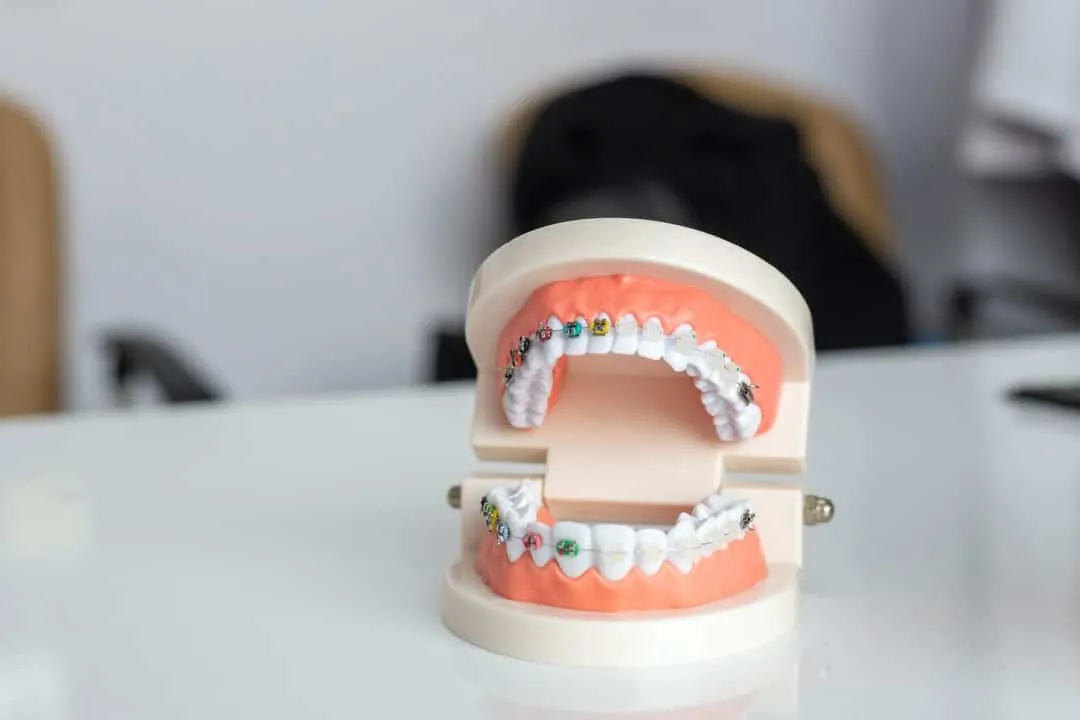
No, it's never too late to get braces as an adult. Your teeth can be moved at any age, as long as your gums and supporting bone are healthy. A growing share of orthodontic patients today are adults, and that number keeps climbing year after year. At 30, 50, or beyond, modern orthodontics has come a long way since the all-metal days, and is it too late to get braces as an adult? Not at all. Getting a straighter smile is absolutely doable for grown-ups, and Carolina Braces sees adult patients in our community every single week.
Today's adults have way more choices than the metal braces you might remember from middle school. Invisalign aligners that are nearly invisible, ceramic braces that blend with your tooth color, and even lingual braces tucked behind your teeth all offer effective, discreet results. The best part? You're in good company. More adults are choosing to achieve their perfect smile right now than at any point in history, with treatments for every lifestyle that fit busy careers, social schedules, and grown-up routines.
How Adult Orthodontic Treatment Works
Getting started as an adult follows a friendly, straightforward process built around your smile and your schedule. Here are the five steps you can expect from start to finish:
- Your first step is a free consult. During this visit, your orthodontist takes a close look at your teeth, gums, and jaw. Digital X-rays and 3D imaging create a detailed map of your mouth, showing exactly how your teeth need to move. This kind of technology, used by our doctors at Carolina Braces, lets your board-certified orthodontist plan each stage before you ever pop in a tray or click on a bracket.
- Next comes your custom plan. Based on your bite, alignment, and overall oral health, our doctors recommend the best approach for your goals. Some adults do great with Invisalign. Others get better results from traditional braces or a mix of methods, and your doctor will walk you through the trade-offs in plain language.
- The actual tooth movement relies on gentle, sustained pressure. Whether you choose braces or Invisalign, the mechanics are similar. Small forces applied steadily over time encourage your teeth to shift into proper position. Your bone gradually reshapes around each tooth as it moves, which is why patience pays off.
Think of orthodontics as a slow but steady team effort between you, your smile, and our doctors. Once your appliances are on, the rest of the process is mostly about consistency and showing up.
- Regular check-ins keep everything on track. You'll visit your orthodontist every 4 to 8 weeks for adjustments or to pick up new aligner trays. These appointments are typically quick, often under 30 minutes, so they slide easily into a lunch break.
- Retainers protect your results. After active care wraps up, wearing a retainer prevents your teeth from drifting back to their original positions. Most adults wear retainers at night indefinitely to keep that new smile looking sharp.
Benefits of Getting Braces as an Adult
Straightening your teeth as an adult offers benefits that go far beyond appearance. Here's a closer look at why so many grown-ups are saying yes.
How Do Straight Teeth Improve Oral Health?
Crooked or crowded teeth create tight spaces where plaque and bacteria love to hide. Straighter teeth are simpler to brush and floss properly, which lowers your risk of cavities and gum disease. For adults already managing busy schedules, easier daily care is a real win, and your dental cleanings tend to go faster too.
Can Braces Relieve Jaw Pain and Headaches?
Yes, often. A misaligned bite puts extra stress on your jaw joints and muscles. Correcting your bite can ease TMJ discomfort, chronic headaches, and tension you might not have realized was connected to your teeth at all.
Will Treatment Protect My Teeth From Wear?
When your bite doesn't line up correctly, certain teeth bear more force than they should. Over time, this leads to chips, cracks, and worn enamel. Proper alignment spreads chewing forces evenly across your smile.
How Does a Straight Smile Boost Confidence?
Many adults feel self-conscious about their smile in work meetings, photos, or social situations. A smile you're proud of can change how you carry yourself, and that confidence shows up everywhere, from job interviews to first dates.
Does Orthodontics Improve Chewing and Speech?
Plenty of adults notice better chewing efficiency and clearer speech afterward. In certain cases, orthodontic work can even improve airway function and breathing patterns during sleep.
Adult Braces vs. Child and Teen Orthodontics
Adult care shares the same principles as orthodontics for younger patients, but there are some key differences worth knowing.
| Factor | Children & Teens | Adults |
|---|---|---|
| Jaw development | Still growing; orthodontist can guide growth | Fully developed; some issues need extra approaches |
| Treatment duration | Often shorter due to active bone growth | May take slightly longer; mature bone shifts gradually |
| Prior dental work | Usually minimal | May have crowns, bridges, or missing teeth to work around |
| Popular options | Traditional metal braces common | Invisalign and ceramic braces preferred |
| Compliance | Varies; parents help with reminders | Typically higher; adults are self-motivated |
Because adult bones are no longer growing, certain bite corrections that would be simple in a child may require extra appliances or, in rare cases, jaw surgery. Your orthodontist will explain if this applies to your situation during your free consult.
Adults often arrive with existing dental work. Crowns, bridges, and even missing teeth don't disqualify you from getting started, but they do require careful planning. Our doctors coordinate with your general dentist to make sure everything works together smoothly.
The good news? Adult patients tend to follow instructions carefully. You're investing your own time and money, which motivates most adults to wear their aligners as directed and keep every appointment.
What Affects the Cost and Length of Adult Treatment?
Adult braces typically take 12 to 30 months, with cost depending on the appliance type, severity of misalignment, and your overall oral health. Most patients can use a low monthly payment, HSA/FSA funds, or insurance benefits to make it affordable. Below is a friendly breakdown of the factors that move the needle most.
| Factor | Impact on Treatment |
|---|---|
| Severity of misalignment | More complex cases take longer and cost a bit more |
| Type of appliance | Invisalign and lingual braces typically run higher than metal braces |
| Existing dental health | Gum disease or missing teeth may mean some prep work first |
| Compliance | Wearing aligners as directed keeps you right on schedule |
Treatment duration for most adults falls between 12 and 30 months. Minor crowding might resolve in under a year, while bigger bite corrections could stretch beyond two years.
Cost varies based on your specific needs and the method you choose. Many practices offer a low monthly payment to make care manageable for any budget. You can often use HSA or FSA funds toward orthodontics, and some dental insurance plans include partial coverage for adult orthodontics, so it's worth checking your benefits before you assume anything.
The best way to know what it'll cost is to schedule a free consult. Our doctors can give you a clear picture of timeline and pricing after examining your teeth in person.
Is It Too Late to Get Braces as an Adult? Who Makes a Good Candidate?
Most adults who want straighter teeth can get them. You're likely a good candidate if you have:
- Healthy teeth and gums. Active gum disease or untreated decay needs to be addressed first, but once your mouth is healthy, you can move forward with orthodontics.
- Adequate bone support. Your teeth need a solid foundation, which your orthodontist checks during your initial exam.
- Crowding, gaps, or bite issues. If you have an overbite, underbite, crossbite, or just crooked teeth, orthodontics can help.
- TMJ pain or uneven wear. Jaw discomfort or teeth wearing down unevenly? Correcting your bite may bring real relief.
- Previous orthodontic relapse. Had braces as a teen but skipped the retainer? You're definitely not alone. Many adults seek care to re-straighten teeth that shifted over the years.
- Commitment to the process. Getting started requires consistent oral hygiene and keeping your follow-up appointments. Adults who put in the effort see excellent results.
At Carolina Braces, Dr. Robert Kent, DDS, and Dr. Samantha Tagerman, DMD, work with adult patients in our community every day. Dr. Kent has years of experience guiding adults with Invisalign, while Dr. Tagerman brings her own clinical expertise and warm chairside style to every visit. Together, our doctors offer the kind of expertise that helps adult patients feel comfortable and confident from day one.
Frequently Asked Questions About Adult Braces
Am I too old for braces at 40, 50, or 60?
Age alone doesn't determine whether you can get braces. What matters is the health of your teeth, gums, and bone. Adults in their 40s, 50s, 60s, and beyond successfully complete orthodontics every day. If your mouth is healthy, braces can absolutely work for you, and our doctors at Carolina Braces see adults of all ages start their new smile every month.
Do adult braces hurt more than they do for teens?
Discomfort levels are similar regardless of age. You'll feel some pressure and tenderness after adjustments or when starting new aligner trays. This typically fades within a few days. Over-the-counter pain relievers and soft foods help during adjustment periods.
How long do adult braces take?
Most adults wear braces between 12 and 30 months. Your specific timeline depends on what needs to be corrected. Minor spacing issues resolve faster than bigger bite corrections. Your orthodontist provides a realistic estimate after your initial exam.
Will braces affect my work or social life?
Minimally. Adult braces have very little impact on work and social life thanks to discreet options like Invisalign and ceramic braces. Invisalign trays are nearly invisible. Ceramic braces blend with your tooth color. Many adults handle many alignment and bite issues without coworkers ever noticing they're wearing braces.
Does insurance cover adult orthodontics?
Some dental insurance plans include orthodontic coverage for adults, though benefits are often more limited than for children. Check with your insurance provider about your specific plan. A low monthly payment and HSA/FSA funds can help cover any remaining costs out of pocket.
Can I get Invisalign instead of braces?
In many cases, yes. Invisalign treats many alignment and bite issues in adults. However, some complex cases still benefit from traditional braces. Our doctors recommend the option that will give you the best results based on your specific situation and goals.
Everyone deserves a smile they love, no matter when they decide to pursue it. Talking with an experienced orthodontist is the best way to learn about your options and figure out what fits your lifestyle. From the first free consult to de-band parties at the finish line, getting a straighter smile as an adult can be both effective and genuinely fun. A smile you love is worth it at any age.