
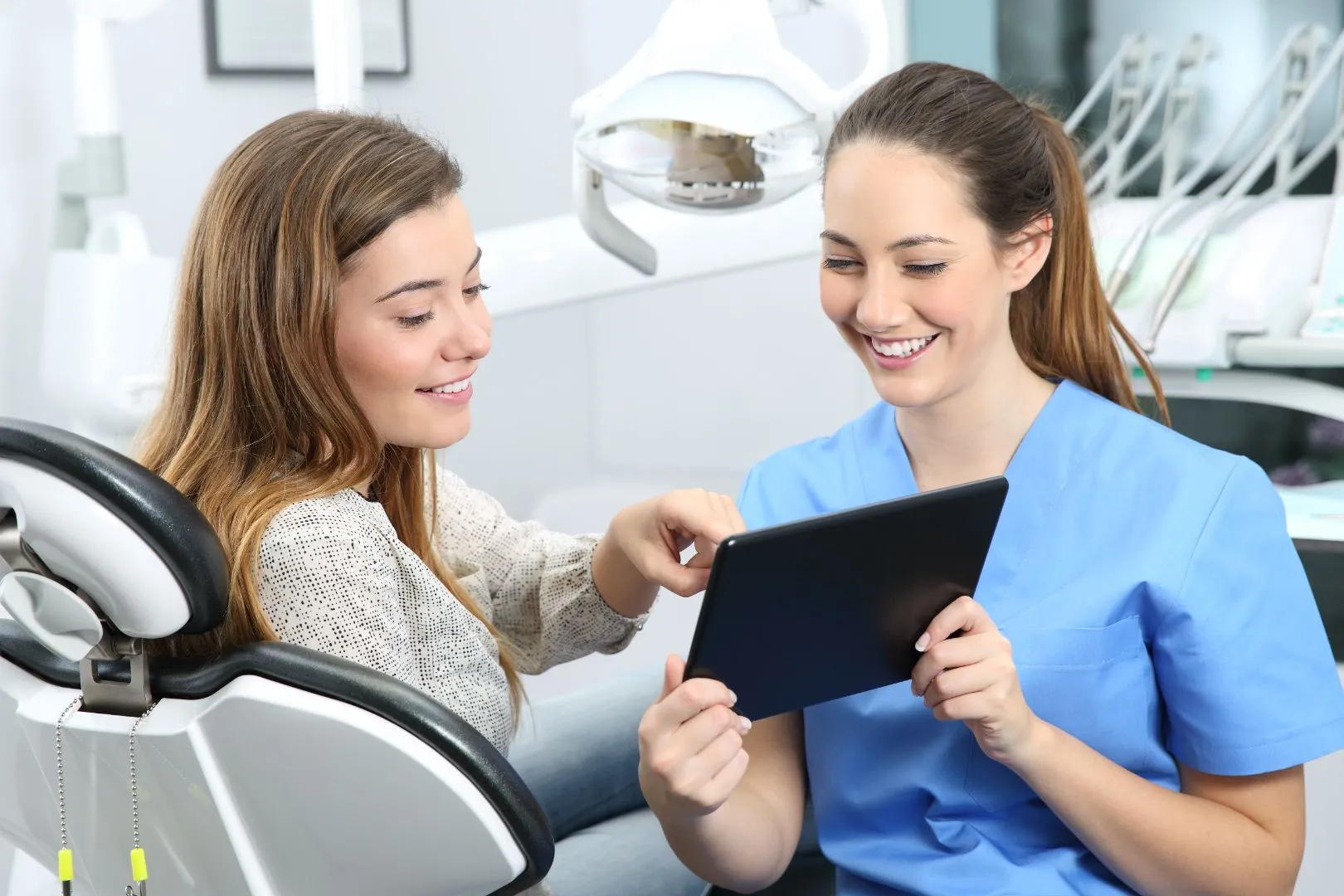
Orthodontic treatment in Raleigh, NC typically costs $3,000 to $8,000, depending on your specific case and the type of treatment you choose. Traditional braces usually fall on the lower end of that range, while Invisalign and complex cases involving TMJ or airway concerns sit higher. At Carolina Braces in Raleigh, our doctors believe everyone deserves a smile they love, and pricing is built to make that possible.
That fee covers more than you might expect. Your quoted price usually includes initial diagnostics and 3D imaging, the appliances themselves, all your adjustment appointments, and your retainers at the end. Think of it as a complete package rather than separate charges adding up over time.
For an accurate number, schedule a free consult. Phone estimates can only tell you so much because every smile is different. Once an orthodontist examines your teeth, takes records, and understands your goals, you'll receive a personalized quote that reflects your actual treatment needs.
How Does Orthodontic Pricing Work?
Orthodontic pricing typically works on an all-inclusive fee model that covers diagnostic records, your braces or aligners, every office visit during active treatment, and your retainers when you're finished. Rather than nickel-and-dime billing for each appointment, most practices in Raleigh bundle these costs into a single quoted fee with low monthly payment options to spread the balance.
The process unfolds in a few clear steps. Your initial exam includes digital X-rays, photos, and often 3D scans of your teeth. This diagnostic workup shows exactly what needs to happen to achieve your ideal smile. From there, your orthodontist creates a treatment plan built around your bite, alignment, and any functional concerns.
Treatment length directly affects your total fee. A straightforward case requiring six to twelve months of aligners costs less than a two-year treatment involving significant bite correction. That makes sense when you consider the extra appointments, materials, and expertise involved in longer cases.
Spreading payments out is standard at most orthodontic practices. Rather than paying everything upfront, you can spread your balance over the course of active treatment. This makes orthodontic care accessible without requiring a large lump sum.
One important note: accurate quotes come after your diagnostic workup, not before. When you call asking for a price, practices can only give you general ranges. Your personalized fee depends on factors only a clinical examination can reveal.
Why Orthodontic Treatment Is Worth the Investment
Orthodontic treatment delivers benefits that go well beyond a straighter smile. When your bite functions properly, you reduce wear on your teeth, ease jaw strain, and often find relief from TMJ symptoms that have bothered you for years.
Aligned teeth are simply easier to keep clean. When teeth overlap or crowd together, brushing and flossing can't reach every surface effectively. That leaves you vulnerable to cavities and gum disease in those hard-to-reach spots. After orthodontic treatment, your daily oral hygiene routine works better, lowering your risk of dental issues down the road.
For some patients, orthodontic care addresses breathing and sleep quality. Airway-focused orthodontics can expand narrow arches and improve how air flows through your mouth and throat. People who've struggled with snoring or restless sleep sometimes notice meaningful improvements in how they feel during the day.
Confidence matters too. Patients often report that feeling good about their smile carries into social and professional moments. That self-assurance lasts decades, making orthodontic treatment one of the most lasting investments you can make in yourself.
There's also a practical financial argument. Treating alignment and bite issues now can prevent more expensive dental work later. Worn teeth, cracked enamel, and TMJ symptoms often require crowns, implants, or other restorative procedures that cost significantly more than orthodontic treatment.
Cost Comparison: Braces vs. Invisalign vs. Specialty Treatments
Different treatment options come with different price points. Here's how they typically compare:
| Treatment Type | Typical Cost Range | Best For |
|---|---|---|
| Traditional Metal Braces | $3,000 - $6,000 | Most cases, especially complex bite issues |
| Ceramic Braces | $4,000 - $7,000 | Patients wanting less visible brackets |
| Invisalign | $4,000 - $8,000 | Mild to moderate cases, lifestyle flexibility |
| Two-Phase Treatment | $3,500 - $8,000+ | Children needing early intervention |
| TMJ/Airway Protocols | Varies | Functional concerns beyond alignment |
Traditional metal braces remain the most affordable option for most patients. They're highly effective for complex cases and give your orthodontist precise control over tooth movement.
Ceramic braces offer a more aesthetic option at a mid-range price point. The brackets blend with your natural tooth color while providing the same effectiveness as metal braces.
Invisalign pricing often runs comparable to braces for straightforward cases. Complex cases requiring significant tooth movement or bite correction can carry a premium. At Carolina Braces in Raleigh, Dr. Robert Kent, DDS is a platinum plus provider of Invisalign, bringing years of clear aligner expertise and advanced training to every case.
Two-phase treatment involves separate fees for Phase 1 (early intervention) and Phase 2 (treatment during adolescence). While this approach involves two treatment periods, it can prevent more extensive work later.
Specialty treatments like TruDenta for headache relief and TMJ/airway protocols are priced separately from alignment care. These address functional concerns that go beyond straightening teeth.
Most fees include retainers and post-treatment care. Ask during your free consult exactly what's included so you can compare quotes accurately.
Factors That Affect Your Orthodontic Cost
Several variables influence your final treatment fee, and understanding these helps you anticipate where your case might fall within the typical price range. The main factors include case complexity, treatment duration, appliance type, the patient's age and growth stage, any additional therapies needed, and your insurance and payment situation. Each of these can shift your final number meaningfully.
How Does Case Complexity Affect Cost?
The severity of your crowding, spacing, and bite issues directly affects cost. Minor crowding requiring limited movement costs less than significant bite correction involving jaw alignment. Crossbites, open bites, and severe overbites take more time and expertise to resolve. The more your case requires, the more it adds to the fee.
How Does Treatment Duration Change the Price?
A six-month case and a twenty-four-month case represent very different investments of time, materials, and appointments. Longer treatment naturally costs more because it requires ongoing care over an extended period. Time matters here.
Does the Appliance Type Matter?
Your choice of brackets, aligners, expanders, or combination approaches affects pricing. Some patients benefit from starting with one appliance type and moving to another, which can influence the overall fee.
How Do Age and Growth Stage Factor In?
Children, teens, and adults present different treatment considerations. Growing patients sometimes get results more efficiently because their jaws are still developing. Adult treatment can require different approaches to achieve similar outcomes.
Are Additional Therapies Priced Separately?
TMJ care, airway support, and myofunctional therapy address concerns beyond tooth alignment. These specialized services carry their own fees when needed.
How Do Payment Variables Influence Out-of-Pocket Cost?
Your insurance benefits, HSA/FSA availability, and monthly payment terms all affect your out-of-pocket experience. Two patients with identical treatment plans might pay very different amounts depending on their coverage and payment approach.
How to Know If Orthodontic Treatment Fits Your Budget
Orthodontic treatment is more accessible than many Raleigh families realize. Multiple payment options exist to help you fit treatment into your financial picture, and Carolina Braces makes it easier than you might think.
What Insurance Benefits Apply to Orthodontics?
Most dental insurance plans include a lifetime orthodontic benefit, which often ranges from $1,000 to $3,000 though it varies by plan. This benefit applies once per lifetime and significantly reduces your out-of-pocket cost. Check with your insurance provider or ask the orthodontic office to verify your specific coverage.
Can You Use HSA and FSA Funds?
Health Savings Accounts and Flexible Spending Accounts let you pay for orthodontic treatment with pre-tax dollars. This effectively gives you a built-in savings equal to your tax rate. Many families in Raleigh use these accounts strategically to reduce their orthodontic costs.
Are In-House Monthly Payment Plans Available?
Most orthodontic practices offer low monthly payment options that spread your balance over active treatment. These plans frequently carry no interest, making them an attractive alternative to financing. Carolina Braces offers low monthly payment options with a payment calculator available online so you can estimate your monthly commitment before your appointment.
What Third-Party Financing Exists?
Options like CareCredit extend payments beyond the treatment period for patients who need longer terms. These programs offer various promotional periods and payment structures.
Are Family Discounts Offered?
Many practices offer courtesy adjustments when multiple family members undergo treatment. Paid-in-full courtesies reward patients who can pay their balance upfront.
Why Schedule a Free Consult?
Scheduling a free consult is the clearest way to understand your actual costs. You'll get a personalized quote based on your specific needs, learn exactly what your insurance covers, and explore payment options before making any commitment. At Carolina Braces in Raleigh, our doctors, Dr. Robert Kent, DDS (a platinum plus provider of Invisalign with extensive clinical training) and Dr. Samantha Tagerman, DMD (whose advanced orthodontic education shapes her patient-centered approach), bring deep expertise to every free consult.
Frequently Asked Questions About Orthodontic Costs
How much do braces cost for a child?
Children's braces typically range from around $3,000 to $6,500 depending on case complexity and whether two-phase treatment is recommended. Early intervention cases that address specific issues before all permanent teeth erupt can cost less than full treatment. Your child's orthodontist will recommend the most appropriate approach after a thorough exam at Carolina Braces in Raleigh.
Is Invisalign more expensive than traditional braces?
Invisalign and traditional braces frequently cost similar amounts for straightforward cases. Complex cases requiring significant tooth movement carry a premium with Invisalign. The best way to compare is getting quotes for both during your free consult with Dr. Kent, DDS, who is a platinum plus provider of Invisalign.
Does dental insurance cover orthodontic treatment?
Most dental insurance plans include orthodontic coverage, typically providing a lifetime benefit between $1,000 and $3,000 though specifics vary by plan. Coverage frequently applies to dependents under a certain age, though many plans now extend benefits to adults. Contact your insurance provider or ask the orthodontic office to verify your specific benefits before getting started.
Are monthly payment plans available without interest?
Yes, most orthodontic practices offer in-house low monthly payment options with no interest charges. These plans typically spread your balance over the course of active treatment with manageable monthly amounts. Carolina Braces in Raleigh provides an online payment calculator to help you plan your investment.
Can I use my HSA or FSA for orthodontics?
Yes, orthodontic treatment qualifies as an eligible expense for both Health Savings Accounts and Flexible Spending Accounts. Using these funds lets you pay with pre-tax dollars, effectively reducing your cost. Many families coordinate their FSA contributions with their treatment timeline to maximize this benefit, and the team at Carolina Braces can help you plan accordingly.
Cost is only half the picture — how you pay for treatment matters just as much. Our guide to financing your orthodontic journey covers monthly payment planning, insurance, and HSA and FSA dollars for Raleigh families.