
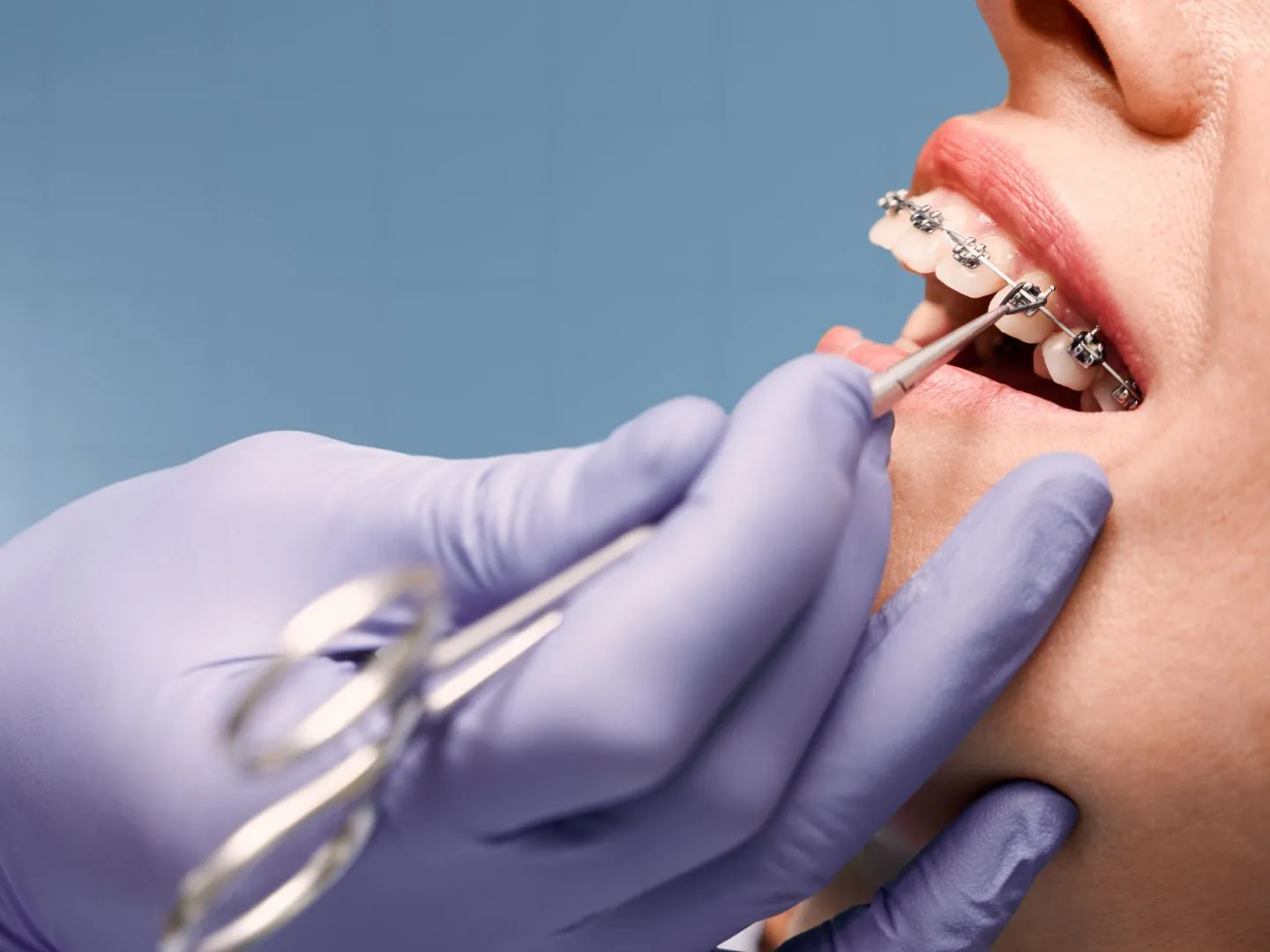
What Are Braces? An Overview of Modern Orthodontic Options
Adults and teens can choose from five main types of braces: metal, ceramic, lingual, self-ligating, and Invisalign clear aligners. Each system applies gentle, constant pressure to gradually move teeth into proper alignment, but they differ in visibility, cost, and ideal use cases. Today's options extend far beyond the metal brackets you might remember from middle school.
Modern orthodontics offers both fixed systems (including metal, ceramic, lingual, and self-ligating braces) and removable choices like Invisalign. Each type works differently, but all share the same goal: creating a healthier bite and a smile you'll love.
Teens starting their first orthodontic treatment and adults finally ready to make a change both have solutions designed for their specific needs. Treatment plans are customized based on age, daily routine, and the complexity of the bite. Some patients need straightforward alignment correction, while others require more detailed care for jaw positioning or spacing issues.
At Carolina Braces, our doctors evaluate each patient individually to recommend the approach that fits your lifestyle and delivers the results you're looking for.
How Do Braces Work to Straighten Teeth?
Braces work through bone remodeling. When a bracket and wire (or an Invisalign tray) apply gentle, steady pressure to a tooth, bone on one side breaks down while new bone forms on the other side. This allows the tooth to shift into a new position over weeks and months. Pretty cool science, right?
With fixed braces, brackets are bonded directly to your teeth. An archwire connects the brackets and provides the force that guides tooth movement. Elastics (the colorful bands teens love to customize) help fine-tune the pressure and direction. Our board-certified orthodontists, including Dr. Kent, a Platinum Plus Provider of Invisalign, adjust the wire and elastics at regular appointments, typically every 4 to 8 weeks, to keep progress on track.
Invisalign works differently. Instead of brackets and wires, you wear a series of custom-made plastic trays. Each tray is slightly different from the last, moving your teeth incrementally toward their final positions. You switch to a new set of aligners every one to two weeks.
Treatment duration varies based on what needs correction. Simple spacing issues might resolve in 6 to 12 months. More detailed cases with bite correction or significant crowding often take 18 to 30 months. Your orthodontist will give you a realistic timeline during your first visit.
Consistency matters with any system. Fixed braces work around the clock. Invisalign trays need to be worn 20 to 22 hours daily to stay on schedule.
Benefits of Braces for Adults and Teens
Straighter teeth do more than improve your photos. The benefits of orthodontic care extend to your overall oral health and daily comfort.
Better Bite Function
Your teeth meet properly when you chew, which means improved bite function. This distributes force evenly across your bite, reducing wear on individual teeth and making eating more comfortable. Patients often notice the difference within a few months of starting treatment.
Why Are Aligned Teeth Easier to Clean?
Aligned teeth are easier to clean, which is a practical advantage many patients don't expect. Crowded or overlapping teeth create tight spaces where plaque hides. When teeth sit in proper position, brushing and flossing become more effective, lowering your risk of cavities and gum disease over the long haul.
A Real Boost in Confidence
Confidence matters at any age. Teens dealing with school and social situations often feel more self-assured with a smile they're proud to show, and adults report feeling more confident in professional settings and personal relationships after treatment.
Can Braces Help with Jaw Pain and TMJ?
Yes, jaw alignment correction addresses more than aesthetics. Misaligned bites can contribute to TMJ discomfort, headaches, and uneven tooth wear. Orthodontic care can help relieve these symptoms by positioning the jaw properly.
Long-Term Oral Health Benefits
The long-term oral health payoff is real. Properly aligned teeth experience less abnormal stress, which means they're more likely to stay healthy throughout your life. Orthodontic care can also help prevent tooth damage and make daily dental care easier for years to come.
Types of Braces and Clear Aligners Compared
Choosing the right type of braces depends on your needs, lifestyle preferences, and budget. Here's how each option compares:
| Type | Visibility | Typical Treatment Time | Best For | Considerations |
|---|---|---|---|---|
| Metal Braces | Most visible | 12–24 months | Detailed cases, value-focused patients | Typically the most affordable option, durable |
| Ceramic Braces | Low visibility | 12–24 months | Patients wanting discretion with fixed braces | Tooth-colored brackets, slightly higher cost |
| Lingual Braces | Hidden (behind teeth) | 18–36 months | Patients requiring full invisibility | Higher cost, adjustment period for speech |
| Self-Ligating | Similar to metal/ceramic | 12–24 months | Patients wanting fewer adjustments | Uses clips instead of elastics |
| Invisalign | Nearly invisible | 6–24 months | Mild to moderate cases, lifestyle-focused patients | Removable, requires discipline |
What Are Metal Braces?
Traditional metal braces remain the most versatile option, handling everything from simple spacing issues to detailed bite corrections. The brackets are smaller and more comfortable than older versions, and teens can personalize them with colored elastics. Metal braces are typically the most affordable choice and work efficiently for patients of all ages.
How Do Ceramic Braces Work?
Ceramic braces function like metal braces but use tooth-colored or clear brackets that blend with your enamel. They're popular with adults and older teens who want the reliability of fixed braces with less visual impact. The tradeoff? Ceramic brackets require a bit more care to avoid staining.
What Are Lingual Braces?
Lingual braces are bonded to the back surfaces of your teeth, making them invisible from the front. They're ideal for patients who need fixed braces but can't have visible orthodontic work due to professional or personal preferences. Lingual braces typically cost more and may take some time to adjust to, as they can affect speech initially.
How Do Self-Ligating Braces Differ?
Self-ligating braces use a specialized clip mechanism instead of elastic bands to hold the archwire. This design creates less friction, which some patients find more comfortable. Appointments may be shorter since there are no elastics to replace, and self-ligating systems come in both metal and ceramic versions.
What Is Invisalign?
Invisalign uses a series of clear, removable trays custom-made for your teeth. The trays are nearly invisible when worn and can be removed for eating, brushing, and special occasions. Dr. Kent is a Platinum Plus Provider of Invisalign, reflecting extensive experience with this treatment approach. Invisalign works best for mild to moderate alignment issues, though the technology continues to expand what's treatable. The biggest factor in success is patient compliance.
What Affects the Cost of Braces?
The cost of orthodontic care varies based on several factors, including the type of braces you choose, the complexity of your case, total treatment duration, and your insurance coverage. Diagnostic work and follow-up retainers also factor in. Understanding these elements helps you plan ahead and find an option that suits your budget.
How Does the Type of Braces Affect Cost?
Type of braces plays a significant role. Metal braces are generally the most affordable option, while ceramic braces cost slightly more due to the materials. Lingual braces and Invisalign typically fall at the higher end of the price range because of the customization involved. Typical cost ranges by braces type vary by region and case.
Treatment Complexity and Duration
Case complexity and length of care directly impact cost. A case requiring 12 months costs less than one requiring 24 months. Detailed bite corrections or cases needing additional appliances add to the total.
What's Included in Diagnostic Work?
Diagnostic work includes X-rays, digital scans, and photographs used to create your treatment plan. These are typically included in the overall fee, so there are no surprises along the way.
How Does Insurance Coverage Work?
Insurance coverage varies widely. Many dental insurance plans include orthodontic benefits that cover a portion of treatment costs. Reviewing your policy with your provider helps clarify your specific benefits and limits before you start.
Payment and Financing Considerations
Many orthodontic offices offer financing structures that spread costs over the length of care. Asking about in-house financing, third-party lenders, and HSA/FSA eligibility can help you compare what's affordable across providers.
Are Retainers Included?
Retainers and follow-up care are part of every treatment plan. Retainers maintain your results after braces come off, and their cost is usually included in your treatment package.
Who Is a Good Candidate for Each Type of Braces?
The right braces for you depend on your specific orthodontic needs, age, and daily life.
Teens often do well with metal or self-ligating braces. Their jaws are still developing, which can speed treatment for certain issues. Many teens enjoy customizing metal braces with colored bands. For teens who play wind instruments or contact sports, your orthodontist can recommend protective options.
Adults frequently prioritize discretion. Ceramic braces, lingual braces, and Invisalign all offer less visible care. Adults with busy professional lives often appreciate that Invisalign can be removed for important meetings or events. Dr. Tagerman works with adult patients to find treatments for every lifestyle that fit their careers and daily routines.
Invisalign candidates typically have mild to moderate crowding, spacing, or bite issues. Success requires wearing trays 20 to 22 hours daily. Severe rotations or bite issues may need fixed braces for the best results.
Patients with detailed cases including significant jaw discrepancies, severe crowding, or deep overbites often benefit from fixed braces, which give orthodontists precise control over tooth movement.
Younger children may need early interceptive treatment (Phase 1) to guide jaw growth before full braces. This two-phase approach can reduce the scope of later care.
Patients with airway or TMJ concerns require careful evaluation. Our doctors at Carolina Braces assess these factors during your first visit, helping families find the right path forward.
Frequently Asked Questions About Braces
Are Invisalign trays as effective as metal braces?
For many cases, yes. Invisalign effectively treats mild to moderate crowding, spacing, and certain bite issues. However, cases with significant tooth rotation, vertical movement, or severe bite issues may achieve better results with fixed braces. Your orthodontist at Carolina Braces will recommend the most effective option for your specific situation.
How long do braces take for adults vs teens?
Treatment timelines are similar for adults and teens with comparable orthodontic needs. Most cases range from 12 to 24 months. Teens may have a slight advantage because their bones are still growing, but adults achieve excellent results too. The complexity of your case matters more than your age.
Do braces hurt?
You'll feel some pressure and mild discomfort after getting braces and following adjustments. This typically lasts a few days and responds well to over-the-counter pain relievers. Most patients describe it as soreness. Invisalign tends to cause less discomfort than fixed braces since pressure is distributed differently.
Can I play sports or instruments with braces?
Yes. Athletes should wear a mouthguard during contact sports to protect their braces and mouth. Wind and brass musicians may need a short adjustment period, but most adapt quickly. Lingual braces or Invisalign can be good options for serious musicians concerned about embouchure.
Will insurance cover braces for adults?
Many dental insurance plans include orthodontic coverage for adults, though benefits vary. Some plans have age limits or lifetime maximums. Reviewing benefits with your insurer before scheduling helps clarify out-of-pocket costs and any requirements for pre-authorization.
What is the best age for a child to get braces?
The American Association of Orthodontists recommends children have an orthodontic evaluation by age 7. This doesn't mean treatment starts that early for everyone. Early evaluation allows the orthodontists at Carolina Braces and other practices to identify developing issues and determine the ideal time to begin care, which might be immediately or several years later.
Smiles look good at any age, whether you're 13 or 53. Understanding the differences between metal, ceramic, lingual, self-ligating, and Invisalign helps you have a more informed conversation with your orthodontist about which approach matches your goals, lifestyle, and budget. With the variety of treatments for every lifestyle now available, finding a path to straighter teeth is more flexible than ever.