
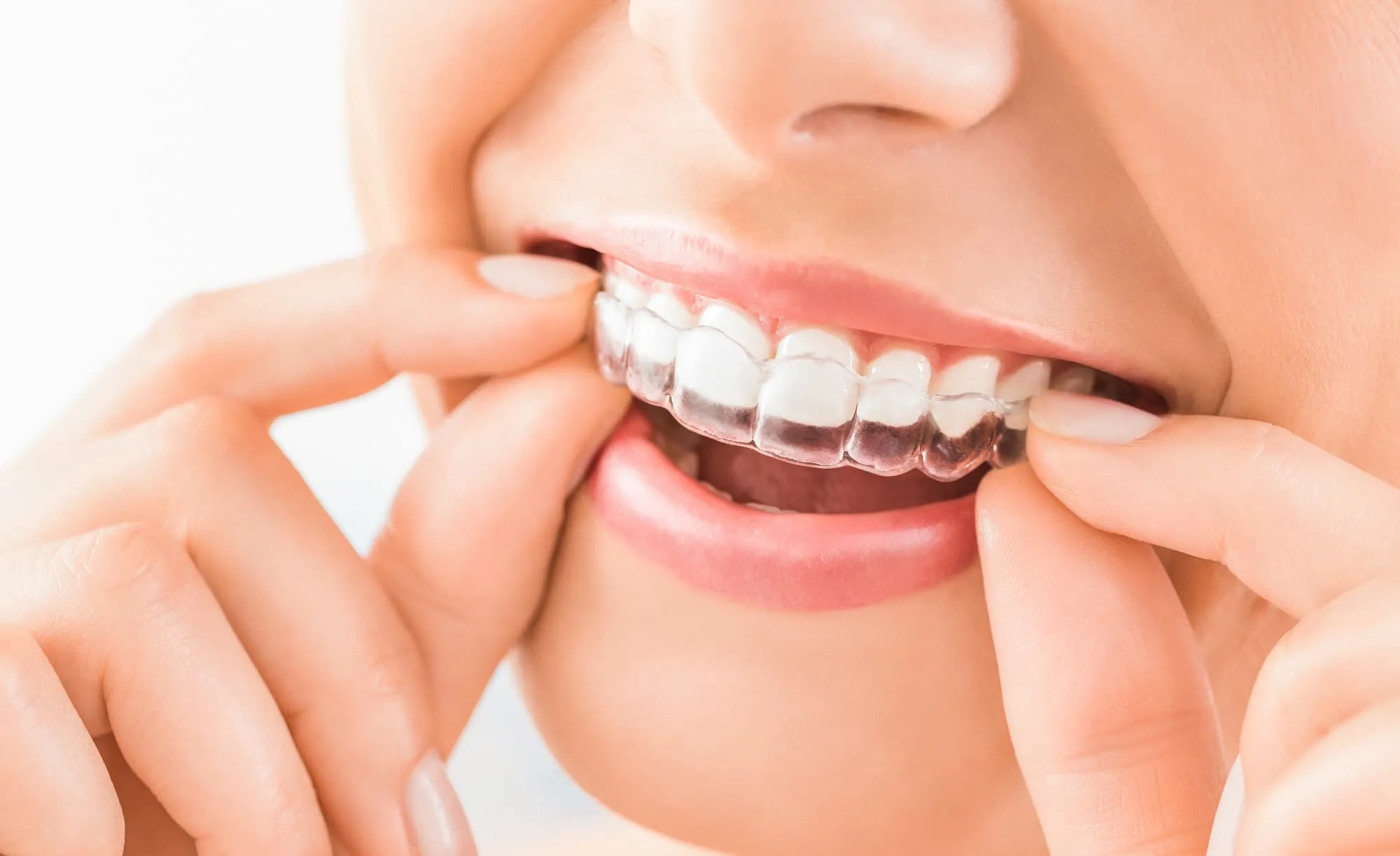
Yes, Invisalign is a good option for teens who have most of their permanent teeth, mild to moderate alignment concerns, and the discipline to wear aligners 20 to 22 hours per day. For many teenagers, it offers a discreet, removable, and comfortable way to achieve their perfect smile without the look or feel of traditional metal braces.
What Is Invisalign Teen?
Invisalign Teen is a clear aligner system built specifically for teenage patients who want straighter teeth without the look of metal braces. It uses a series of custom-made, removable plastic trays that gradually shift teeth into proper alignment over time. What makes it different from standard Invisalign? The teen version includes blue compliance indicators that fade with wear, helping parents and orthodontists track whether aligners are being worn enough. Special eruption tabs also accommodate molars that haven't fully come in yet.
This FDA-cleared treatment gives teens a discreet alternative to traditional braces while still delivering real results. Families exploring this option get a clear picture of how it fits into busy school, sports, and social schedules, and experienced orthodontists can walk through the details so teens feel confident about their smile goals from day one.
How Invisalign Works for Teenagers
Invisalign for teens works through a series of custom clear aligners worn 20 to 22 hours daily, typically completing treatment in 12 to 18 months. Each aligner gradually shifts teeth into place, and teens swap to a new tray every one to two weeks. Progress is tracked with periodic check-ins, making the process predictable and easy to follow.
The process starts with a free consult where the orthodontist takes a 3D digital scan of your teen's teeth. No goopy impressions needed. From there, a custom treatment plan maps out exactly how each tooth will move from start to finish. Your teen can even preview their future smile before treatment begins. An experienced orthodontist helps design treatment plans tailored to each teen's smile goals.
Once the plan is set, your teen receives a series of aligners. Each set is worn for one to two weeks before moving to the next tray in the sequence. The key to success? Wearing aligners 20 to 22 hours per day. They come out for eating, brushing, and flossing, then go right back in.
Check-ins? Those happen every six to ten weeks so the orthodontist can monitor progress and hand off the next sets of aligners. Most teen treatments wrap up in 12 to 18 months, though timing varies based on what needs correcting.
Benefits of Invisalign for Teens
Clear aligners offer some real perks during the high school years. Here's what makes Invisalign appealing for teenagers and their families:
- Nearly invisible appearance: The clear plastic is hard to spot, which matters when your teen is taking photos, giving presentations, or just hanging out with friends. Most classmates won't even notice they're wearing them, which can be a huge confidence boost during a self-conscious stage of life.
- No food restrictions: Pizza, popcorn, apples, corn on the cob. Nothing is off-limits because aligners come out before eating. Most teens love that freedom, especially during pizza nights, school events, or family dinners where they don't want to feel left out.
- Removable for daily life: Aligners pop out for meals and oral hygiene. That means easier brushing, easier flossing, and healthier gums throughout treatment.
- Fewer emergency visits: Without brackets or wires, there's nothing to break or poke. Less time in the orthodontist's chair for repairs means fewer interruptions to school and after-school activities.
- Smooth, comfortable fit: The plastic edges are rounded and polished, so there's no irritation to cheeks or gums like metal braces can sometimes cause.
- Sports and activities friendly: Athletes don't need special mouthguards, and band students playing wind instruments often find aligners more comfortable than braces.
- Easier photo moments: Yearbook photos, prom, graduation. Aligners stay practically invisible in pictures, so teens can smile freely without thinking twice about it.
Invisalign vs. Traditional Braces for Teens
Both options straighten teeth effectively, but they work differently. Invisalign offers aesthetic and lifestyle perks, while traditional braces handle complex cases more reliably. Here's how they compare:
| Factor | Invisalign Teen | Traditional Braces |
|---|---|---|
| Appearance | Clear, nearly invisible | Visible metal or ceramic brackets |
| Removability | Comes out for eating and cleaning | Fixed in place for entire treatment |
| Compliance | Requires discipline to wear 22 hours daily | Always working, no compliance needed |
| Treatment scope | Best for mild to moderate issues | Handles complex cases more effectively |
| Comfort | Smooth plastic, minimal irritation | Wires and brackets may cause sore spots |
| Maintenance | Easy brushing and flossing | Requires special tools to clean around brackets |
| Emergency visits | Rare, no hardware to break | More common for broken brackets or poking wires |
The right choice depends on your teen's specific orthodontic needs and personality. Some teens do great with the responsibility of removable aligners. Others do better with braces that work around the clock without requiring daily discipline.
What Affects the Cost of Invisalign for Teens?
Several factors influence what you'll pay for Invisalign treatment, and most cases for teens fall within a similar range to traditional braces:
- Case complexity: Mild spacing issues cost less to correct than significant crowding or bite concerns that require longer treatment.
- Treatment length: More aligner trays over a longer timeline typically means a higher cost.
- Provider experience: Orthodontists with extensive Invisalign training, including those holding Platinum Plus Provider status, may have different fee structures.
- Insurance coverage: Many dental plans with orthodontic benefits cover Invisalign the same way they cover braces. Check your specific policy.
- Replacement fees: Lost or damaged aligners need replacing, which can add cost if your teen is prone to misplacing things.
- Payment options: HSA and FSA accounts often cover orthodontic treatment. Many practices also offer low monthly payment options to spread out the cost over time.
Families can typically estimate costs and explore financing before the first appointment. Knowing the total upfront, what insurance covers, and the monthly payment amount makes it much simpler to plan ahead without surprise expenses popping up later.
Is Your Teen a Good Candidate for Invisalign?
Most teens are good candidates if they have most of their permanent teeth, mild to moderate alignment concerns, and the responsibility to keep aligners in for most of the day. Invisalign works well for many teenagers, but not every case is a perfect fit. Board-certified orthodontists can help families decide between Invisalign and braces based on the right mix of factors below.
Dental readiness
- Most permanent teeth have erupted
- Mild to moderate crowding, spacing, or bite concerns
- No severe jaw alignment issues requiring surgical intervention
Personal readiness
- Demonstrates responsibility in daily routines
- Willing to commit to wearing aligners 20 to 22 hours per day
- Can keep track of removable trays without losing them
- Motivated to work toward a straighter smile
Teens with severe overbites, underbites, or complex tooth rotations may still get better results from traditional braces. The only way to know for sure is a free consult with an experienced orthodontist who can evaluate your teen's specific situation.
According to the American Association of Orthodontists, the best time to evaluate orthodontic treatment is around age seven, though many teens get started between ages 12 and 16 when most permanent teeth have come in.
Frequently Asked Questions About Invisalign for Teens
How long does Invisalign treatment take for teens?
Invisalign treatment for teens typically takes 12 to 18 months. Simple spacing issues may finish faster, while more involved corrections can take longer. Your orthodontist will provide a timeline estimate during the initial free consult.
Will Invisalign affect my teen's speech or eating?
Some teens notice a slight lisp during the first few days with new aligners. This typically fades within a week as they adjust. Eating isn't affected at all since aligners come out for meals. Just remind your teen to brush before putting them back in.
What happens if my teen loses an aligner?
Contact your orthodontist right away. Depending on how far along treatment is, they may have your teen wear the previous set a bit longer or move to the next set early. Replacement aligners can be ordered, though there may be an extra fee.
Can teens with braces switch to Invisalign?
In some cases, yes. If a teen started with braces and wants to switch, an experienced orthodontist can evaluate whether Invisalign can complete the remaining treatment. This works best when most of the heavy lifting is already done.
Does Invisalign hurt as much as braces?
No, Invisalign is generally less uncomfortable than braces. Patients commonly report mild pressure when starting new aligners, similar to the tightening feeling after braces adjustments. Without metal brackets and wires, there's no poking or scraping against cheeks and lips, so daily wear feels easier on the mouth overall.
How do we know if our teen will be compliant?
The blue compliance indicators help track wear time. Some parents also find it helpful to set phone reminders or establish routines around aligner wear. Teens who are motivated by the end result tend to stay on track better than those who feel pushed into treatment. Working with a Platinum Plus Provider of Invisalign can also help, since experienced providers know how to coach teens toward consistent wear habits.
Curious whether Invisalign might be the right fit for your teen? Learning more starts with a conversation. Families can explore treatment options and ask questions about both Invisalign and traditional braces to understand which approach matches their teen's smile goals, lifestyle, and orthodontic needs best.